
Keeping household fixtures in good shape saves money, cuts down on sudden repairs, and helps sinks, showers, and faucets last longer. Most people ignore fixtures until they start leaking or making noise. Doing quick monthly
Keeping household fixtures in good shape saves money, cuts down on sudden repairs, and helps sinks, showers, and faucets last longer. Most people ignore fixtures until they start leaking or making noise. Doing quick monthly checks stops little issues from turning into big, costly messes. People who want to avoid emergency plumber bills and keep their homes running smoothly will find this habit a game-changer. Imagine saving hundreds of dollars and headaches by just spending a few minutes each month—sounds worth it, right? Keep reading to discover easy tips that make this happen.
This guide covers practical maintenance for the most common fixtures in the home. You will find step by step checks, quick fixes you can try, when to call a professional, and tips that save water and money. Read on for clear examples and realistic routines you can adopt this week.
Why Maintaining Household Fixtures Matters for Home Comfort and Cost
Fixtures are not decorative extras. Faucets, valves, drains, and showerheads control water flow and quality. A drip at one faucet can waste thousands of gallons a year. Loose trim or a worn cartridge may cause uneven temperature or full shut off failure when you need it most.
Beyond wasted water, poorly kept fixtures can cause other damage. Mineral buildup shortens part life, while slow leaks create mold and rot behind walls or under sinks. Regular checks highlight small failures early. A short inspection routine once a month can reduce larger repairs and unexpected replacements.
Routine Checks for Faucets and Sinks in Maintaining Household Fixtures
Faucets are the most used fixtures in most homes. A quick monthly walk through will flag common issues.
- Visual check: Look for wet spots under the sink and water on the countertop after the faucet has been used.
- Flow and temperature test: Turn taps fully on and off. Watch for sputtering, low flow, or sudden shifts in temperature when moving between hot and cold.
- Handle feel: Handles should move smoothly. Stiff or wobbly movement usually points to worn internal parts or loose mounting hardware.
- Drain performance: A sink that fills slowly suggests a partial clog. Use a hair trap or strain to prevent debris build up and clear the trap if needed.
Simple repairs you can try include replacing worn aerators to restore flow and cleaning the sink trap to remove hair and grease. These actions often restore performance without replacement parts.
Toilet Care and Leak Detection When Maintaining Household Fixtures
Toilets are frequent trouble spots because leaks can be hidden and waste a lot of water quietly. A few quick checks keep toilets reliable.
Silent Leaks and How to Find Them
To check for a silent leak, place a few drops of food coloring into the tank then wait 10 to 20 minutes without flushing. If color appears in the bowl the flapper or fill valve likely leaks. Fixing the flapper or swapping the fill valve is a low cost repair that you can often complete with basic tools.
Tank Components to Inspect
Open the tank and inspect the fill valve, float, and flapper. Replace the flapper if it shows wear or a warp. Adjust the float if the tank runs continuously. Tighten any loose tank bolts and feel the seat area for cracks. Replacing a running valve can cut dozens of gallons a day from your water use.
Showerheads and Bathtub Fixtures: Mineral Buildup and Spray Performance
Mineral buildup is the top issue for showers and tubs. Hard water clogs spray holes and reduces pressure. Many showerheads unscrew and soak in vinegar for a few hours to dissolve deposits. For stubborn buildup soak overnight or use a brush to clear remaining particles.
Check flexible hoses and sliding bars for leaks and smooth movement. Replace worn washers in single lever mixers. A well maintained showerhead improves water distribution and can make shorter showers more pleasant, which is one way to reduce water use without changing habits.
Handling Loose Handles, Trim, and Cosmetic Parts
Loose handles and trim are often cosmetic until they become functional problems. Tightening mounting screws, replacing small escutcheons, and resecuring escutcheon plates prevents further wear. Keep a small kit of common parts under a sink: replacement washers, O rings, and a few mounting screws. That kit saves an unexpected trip to the store when a handle comes off.
When replacing O rings or washers, compare old parts to new ones to match size and material. Synthetic rubber washers handle hot water better than older rubber varieties and last longer. Properly lubricated O rings reduce friction and extend life, but use a plumber rated grease rather than household oils.
Tools and Supplies to Keep on Hand for Maintaining Household Fixtures
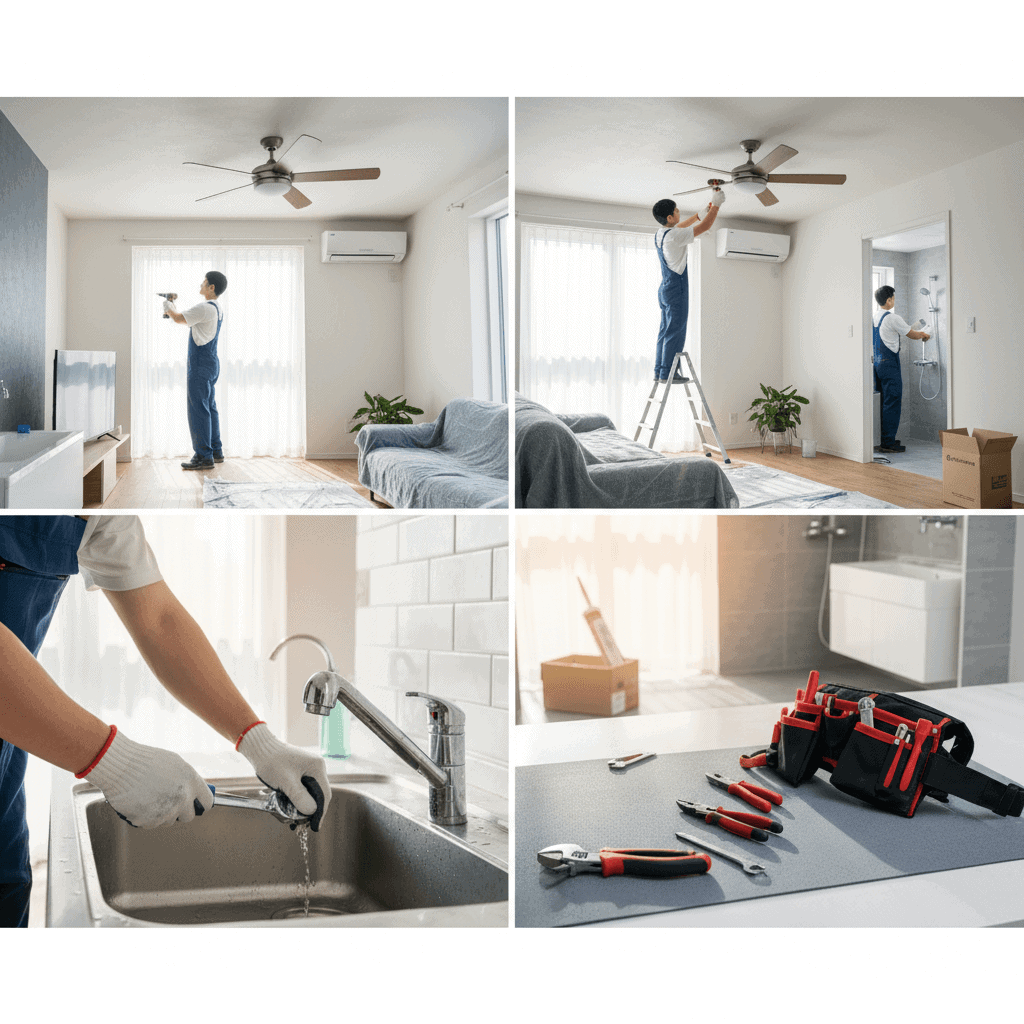
Having a small, targeted tool kit makes routine work faster and safer. Useful items include an adjustable wrench, basin wrench, set of screwdrivers, needle nose pliers, a set of plumber’s tape, a small supply of replacement washers and O rings, and a bucket for draining water. A flashlight and a small mirror help inspect tight spots beneath sinks and behind toilets.
Label replacement parts and store them together so you can grab what you need. A photo of a fixture taken before disassembly helps when reassembling trims and parts that fit in a certain order.
When to Call a Professional for Repairs and Upgrades
Some issues are good DIY projects. Others require a technician to prevent damage or to meet code. Call an experienced technician when you encounter these signs: persistent leaks that continue after basic fixes, low water pressure throughout the house, strange noises in pipes, or any work that involves shut offs to the main line.
For faucet specific problems or upgrades that affect the wall or sink, contacting an expert makes sense. If you prefer a fast evaluation or if a repair needs replacement parts that tie into the house plumbing, look for qualified teams who offer local service. One helpful resource for faucet work is residential plumbing repair which lists common faucet services and replacement options.
Seasonal Tasks to Protect and Extend Fixture Life
Seasonal maintenance adds protection against temperature shifts and changing water conditions. In colder months insulate exposed pipes under sink cabinets and check exterior hose bibs for drips. During warm months flush water heaters and clean sediment from aerators to reduce wear on fixtures.
- Spring: Check for winter freeze damage and clean aerators.
- Summer: Inspect outdoor fixtures and hoses for leaks and sun damage.
- Autumn: Seal any exposed pipe areas and prepare fixtures for lower usage patterns.
- Winter: Keep bathroom and kitchen cabinets warm enough to prevent freezing in northern climates.
Small preventive tasks often pay off quickly. For example, replacing a worn seal in a faucet cartridge can eliminate a drip that otherwise wastes gallons of water daily and shortens the life of the faucet finish.
Practical Example Routines for Maintaining Household Fixtures
Here are two realistic routines to adopt depending on your available time.
- Five minute monthly walk through: open and close each faucet, check under sinks for moisture, listen for running toilets, and visually inspect showerheads.
- Quarterly maintenance session: remove aerators and soak them, clean sink traps, run the food disposer with ice and citrus, and test shut off valves under sinks and behind toilets.
Consistency is more important than frequency. A short check once a month beats a forgotten long maintenance day that never happens.
Maintaining Household Fixtures is a practical habit that pays in reliability and savings. Small investments of time and a few parts keep water where it belongs and keep fixtures working as expected. When a job exceeds your comfort level, a professional can diagnose deeper issues and handle code related tasks. Start with a simple checklist this weekend and add a few items from this guide to your seasonal chores. If you need a technician for a faucet problem or an inspection, contact a local service for an evaluation and a clear quote. Regular care prevents emergencies and keeps your home operating smoothly.