
Keeping loved ones safe as they grow older is a big deal for families and caregivers. Older adults deal with special challenges that affect their health and safety, like medical problems or everyday dangers at
Keeping loved ones safe as they grow older is a big deal for families and caregivers. Older adults deal with special challenges that affect their health and safety, like medical problems or everyday dangers at home. Acting early stops trouble before it starts, helping seniors stay independent and easing worries for caregivers. A little planning and easy fixes can build a safer place that lowers risks and supports healthy aging. People caring for older adults who want them to live comfortably and safely will find these ideas useful. Find out how small changes can really shake things up for the better.
While aging is a natural part of life, it doesn’t mean safety should be compromised. In fact, many safety concerns can be addressed with simple, effective strategies that make a significant difference. In this article, we’ll explore practical ways to keep seniors safe, covering everything from home modifications to technology aids—all aimed at helping elders live confidently and comfortably in their everyday routines.
Creating a Safer Home Environment for Seniors
Identify and Remove Potential Hazards
The first step toward a safer living space is conducting a thorough safety audit of the home. Look for common hazards such as loose rugs, cluttered walkways, or electrical cords in high-traffic areas. Secure loose carpets with non-slip pads and remove any objects that could cause tripping or falling. Ensuring good lighting throughout the house, especially in stairways and bathrooms, reduces the risk of accidents.
Implement Practical Home Modifications
- Install grab bars: Place grab bars near toilets and inside showers to provide additional support.
- Use non-slip mats: Add these in the bathroom and kitchen to prevent slips.
- Adjust furniture: Keep frequently used items within easy reach to avoid overstretching or balancing on unstable objects.
- Upgrade door handles and fixtures: Opt for lever-style handles that are easier to grip than traditional doorknobs.
Small changes like these can significantly reduce the chance of falls and injuries, creating a home environment that promotes independence and safety simultaneously.
Enhancing Personal Safety for Seniors
Emergency Alert Systems
Equipping seniors with wearable alert devices or alarm systems ensures help can be summoned swiftly in emergencies. Modern options often include waterproof pendants with one-touch calling features to communicate directly with emergency services or family members. Regularly testing these devices guarantees they are functioning properly when needed.
Encouraging Regular Health Monitoring
Routine health check-ups and medication management are critical aspects of senior safety. Use pill organizers and medication reminder apps to prevent missed doses, and schedule annual health evaluations to catch potential issues early. Staying proactive with health reduces risks associated with overlooked conditions.
Promoting Emotional Wellbeing and Social Engagement
Isolation can jeopardize both mental and physical health among seniors. Encouraging participation in social activities, whether through community centers, hobby groups, or virtual connections, supports emotional stability. A well-connected senior is less likely to experience depression or cognitive decline. Additionally, regular communication with loved ones fosters a sense of security and belonging.
Leveraging Technology to Keep Seniors Safe
Smart Home Devices
The integration of smart technology in homes offers an extra layer of security. Devices such as motion sensors, smart locks, and surveillance cameras allow family members to monitor activity and respond quickly if an unusual event occurs. Voice-activated assistants can also remind seniors to take their medication or attend appointments, making daily routines easier to manage.
Apps and Wearables
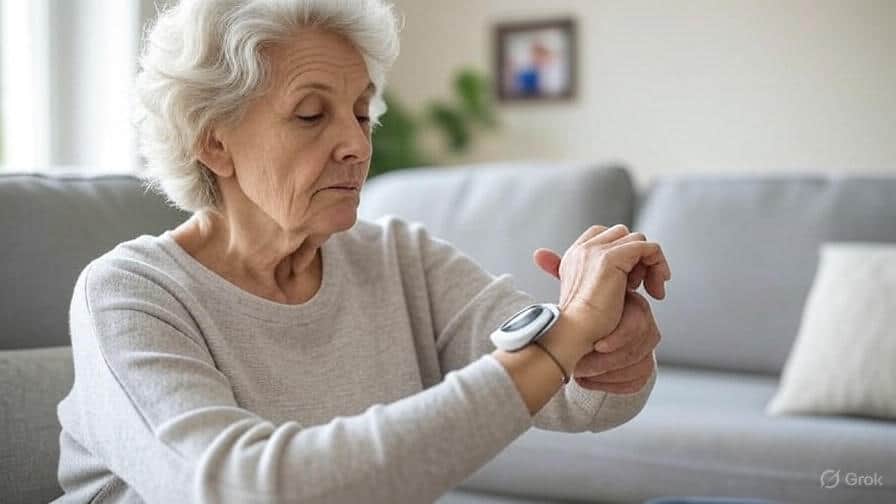
Health tracking apps and wearable devices can monitor vital signs and activity levels, alerting caregivers to potential health issues before they escalate. GPS-enabled devices are especially helpful for seniors with dementia or memory impairments, ensuring their whereabouts are always known and preventing wandering accidents.
Safe Transportation and Mobility Support
Maintaining mobility is vital for seniors’ independence, but safety on the road or during public transportation requires attention. Consider arranging regular rides with family or professional drivers to reduce risks associated with driving. For those who prefer to drive, scheduling eye exams and vehicle safety checks is crucial. Additionally, installing grab rails in vehicles or using mobility scooters can make movement safer and more comfortable.
Fostering a Culture of Safety and Awareness
Creating an environment where safety is prioritized involves education and ongoing communication. Family members and caregivers should discuss safety protocols and ensure seniors understand how to seek help if needed. Encouraging a mindset of caution without inducing fear helps seniors stay alert and active.
Adopting these practical strategies can profoundly impact the quality of life for seniors, enabling them to live with confidence and independence. Remember, safety isn’t just about avoiding accidents; it’s about empowering seniors to thrive. Taking proactive steps, leveraging technology, and fostering supportive relationships build a foundation of security that benefits everyone involved.
By embracing these approaches and advocating for home and lifestyle adjustments, families can address safety comprehensively. It’s essential to tailor these ideas to each senior’s unique needs and preferences, ensuring that safety measures feel natural and non-intrusive. After all, safeguarding our loved ones is a continuous process as their needs evolve. For more insights on protecting elders effectively, see how small changes can lead to big differences in their daily lives.